
Cities, citiesabc
12 Best Cities to Visit in Asia in 2026: A Practical Travel Guide
21 Jul 2026

The best cities to visit in Asia depend on what you want from the trip. Tokyo is the strongest all-round choice for first-time visitors who want food, neighborhoods, museums, shopping, nightlife, and efficient transportation in one destination. Choose Kyoto for traditional culture, Bangkok for street food and energetic city life, Singapore for an easier short break, Seoul for contemporary culture, and Almaty for a less conventional city-and-mountains experience.
No city is best for every traveler. Your ideal choice will depend on your budget, preferred pace, available time, tolerance for heat or crowds, and interest in food, history, nightlife, or outdoor activities.
Key Takeaways
- Best overall: Tokyo
- Best for traditional culture: Kyoto
- Best for food and value: Bangkok
- Best for a convenient short trip: Singapore
- Best for contemporary culture: Seoul
- Best emerging city-and-nature option: Almaty
Best Cities in Asia at a Glance
The cost descriptions below are relative rather than fixed. Actual spending depends on flights, season, accommodation, exchange rates, dining preferences, and booking time.
| City | Best for | Suggested stay | Relative cost | Main consideration |
|---|---|---|---|---|
| Tokyo, Japan | First-time visitors and variety | 4–6 days | High | Large, busy, and easy to over-plan |
| Kyoto, Japan | Temples and traditional culture | 3–4 days | Mid-range to high | Major sights can become crowded |
| Bangkok, Thailand | Food, nightlife, and value | 3–5 days | Value to luxury | Heat, humidity, and traffic |
| Singapore | Short breaks and families | 2–4 days | High | Hotels can consume much of the budget |
| Seoul, South Korea | Pop culture, design, and nightlife | 4–5 days | Mid-range to high | Attractions are spread across a large city |
| Taipei, Taiwan | Night markets and relaxed exploration | 3–5 days | Mid-range | Heavy rain can affect outdoor plans |
| Hanoi, Vietnam | Street life, history, and affordability | 3–4 days | Value-friendly | Traffic can feel intense |
| Hong Kong | Food, skyline views, and hiking | 3–5 days | High | Humidity and seasonal storms |
| Chiang Mai, Thailand | Slow travel and northern culture | 3–5 days | Value-friendly | Seasonal air quality requires checking |
| George Town, Malaysia | Heritage streets and food | 2–4 days | Value to mid-range | Midday heat can make walking tiring |
| Jaipur, India | Architecture, crafts, and history | 2–4 days | Value to mid-range | Traffic, heat, and travel time between sights |
| Almaty, Kazakhstan | Mountains and Central Asian culture | 3–5 days | Mid-range | Nature excursions require extra planning |
Methodology: How These Cities Were Selected
This is not a numerical ranking or the result of hands-on testing. The cities were selected using six practical criteria:
- Variety and depth of visitor experiences
- Cultural, culinary, or historical distinctiveness
- Suitability for different travel styles
- Availability of enough activities for a multi-day stay
- Practical transportation and itinerary potential
- Regional balance across East, Southeast, South, and Central Asia
Current travel publications continue to feature destinations such as Tokyo, Bangkok, Hanoi, Chiang Mai, and Almaty in broader Asia recommendations. However, official tourism boards and heritage authorities were prioritized for destination-specific information.
Related Contents:
Best European Cities to Visit in 2026
Best Cities to Visit in Switzerland
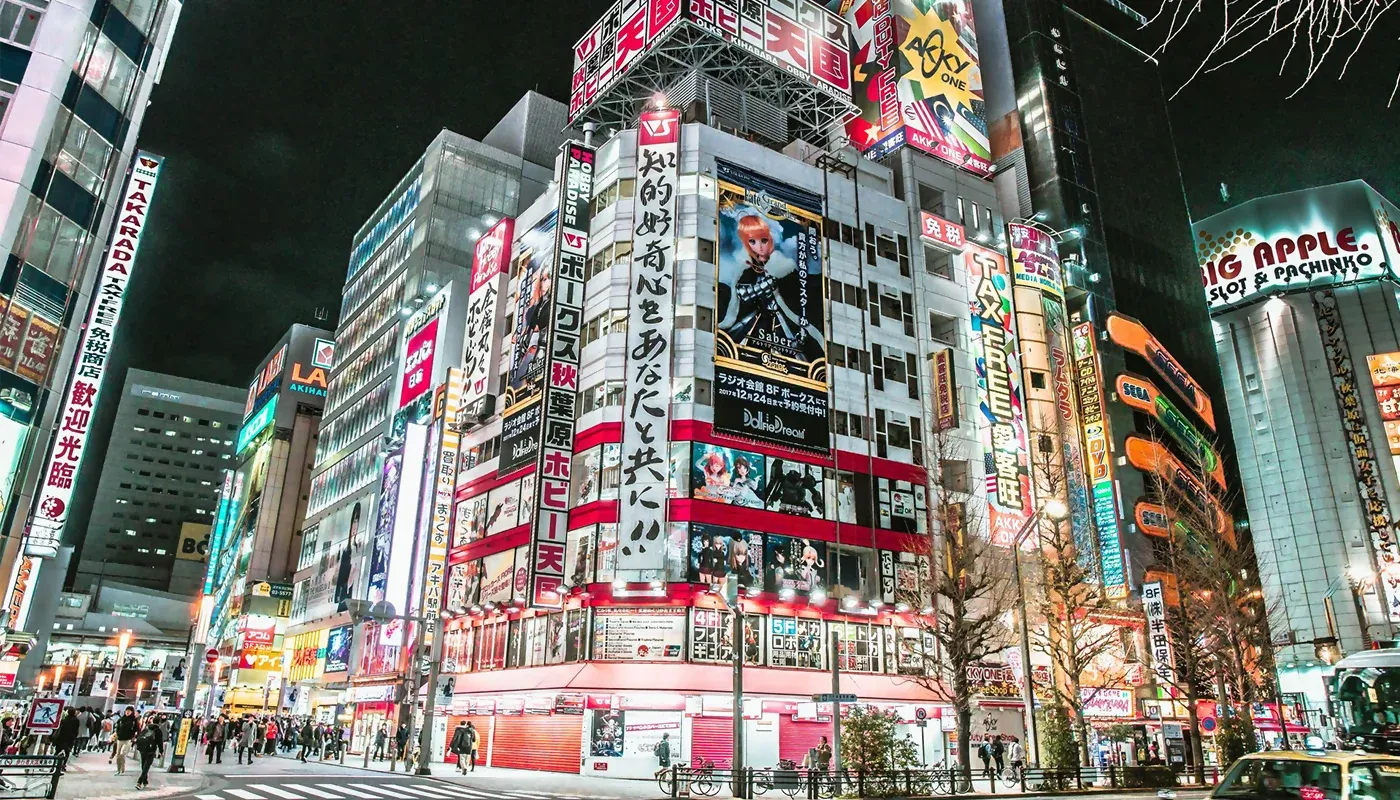
1. Tokyo, Japan: Best Overall City for First-Time Visitors
Tokyo combines dense entertainment districts, quieter residential neighborhoods, historic areas, contemporary art, shopping, food markets, and one of the world’s most extensive urban transportation systems.
A first visit could include the older streets and temples of Asakusa, the fashion and nightlife of Shibuya and Shinjuku, museums around Ueno, shopping in Ginza, and a morning food-market experience. Tokyo’s official tourism organization publishes both three-day and five-day itineraries, which reflects how easily the city can support trips of different lengths.
Best for: Travelers who want the widest possible range of experiences.
Think twice if: Crowded stations, long walking days, or complex itineraries make travel stressful. Tokyo becomes easier when each day is limited to one or two neighboring districts.
2. Kyoto, Japan: Best for Temples and Living Traditions
Kyoto is the better choice for travelers whose main interests are temples, shrines, gardens, traditional architecture, seasonal scenery, and historic neighborhoods.
The city’s appeal is not limited to famous sites. Visitors can explore different districts, attend cultural activities, visit museums, walk beside canals, and experience temples early in the morning or later in the day. Kyoto’s official guide describes the city’s culture as a living tradition developed over more than a thousand years.
Best for: History, architecture, gardens, photography, and slower cultural travel.
Think twice if: You dislike popular sights, early starts, or busier peak seasons. Staying several nights is usually more rewarding than treating Kyoto as a rushed day trip.
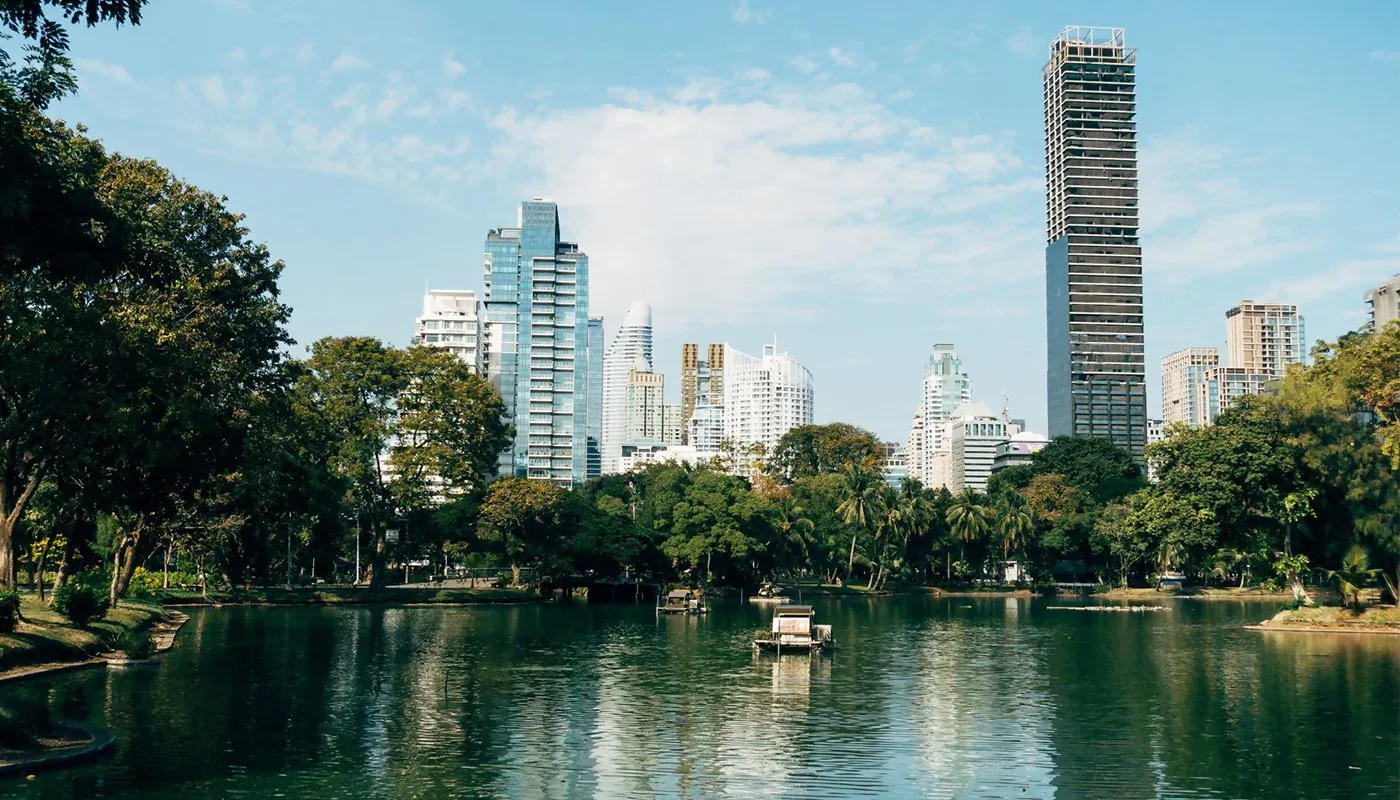
3. Bangkok, Thailand: Best for Food, Energy, and Flexible Budgets
Bangkok offers a strong mix of temples, river travel, markets, shopping centers, street food, contemporary dining, and nightlife.
The historic center contains many of the city’s major religious and royal sites, while other neighborhoods offer creative spaces, residential markets, rooftop venues, and late-night dining. The Tourism Authority of Thailand highlights Bangkok’s temples and historical attractions as central parts of the visitor experience.
Best for: Travelers who want an energetic city with options ranging from inexpensive meals to luxury hotels.
Think twice if: You are highly sensitive to heat, traffic, noise, or rapid changes of pace. A hotel near rail or river transportation can make the trip significantly easier.
4. Kuala Lumpur, Malaysia: Best for Modern Architecture and Urban Variety
Kuala Lumpur is a strong choice for travelers who want a modern Asian city with contemporary architecture, large shopping districts, multicultural food, and relatively flexible travel costs.
The city combines landmarks such as the Petronas Twin Towers with busy neighborhoods, traditional markets, religious sites, rooftop venues, and major shopping centers. Its mix of Malay, Chinese, Indian, and international influences is especially visible in the local food scene.
Best for: Modern architecture, shopping, city photography, multicultural dining, and travelers seeking a major city at a potentially lower cost than Tokyo, Singapore, or Hong Kong.
Think twice if: You prefer a compact, highly walkable city center. Kuala Lumpur is spread out, and traffic or travel time between attractions can affect a short itinerary.
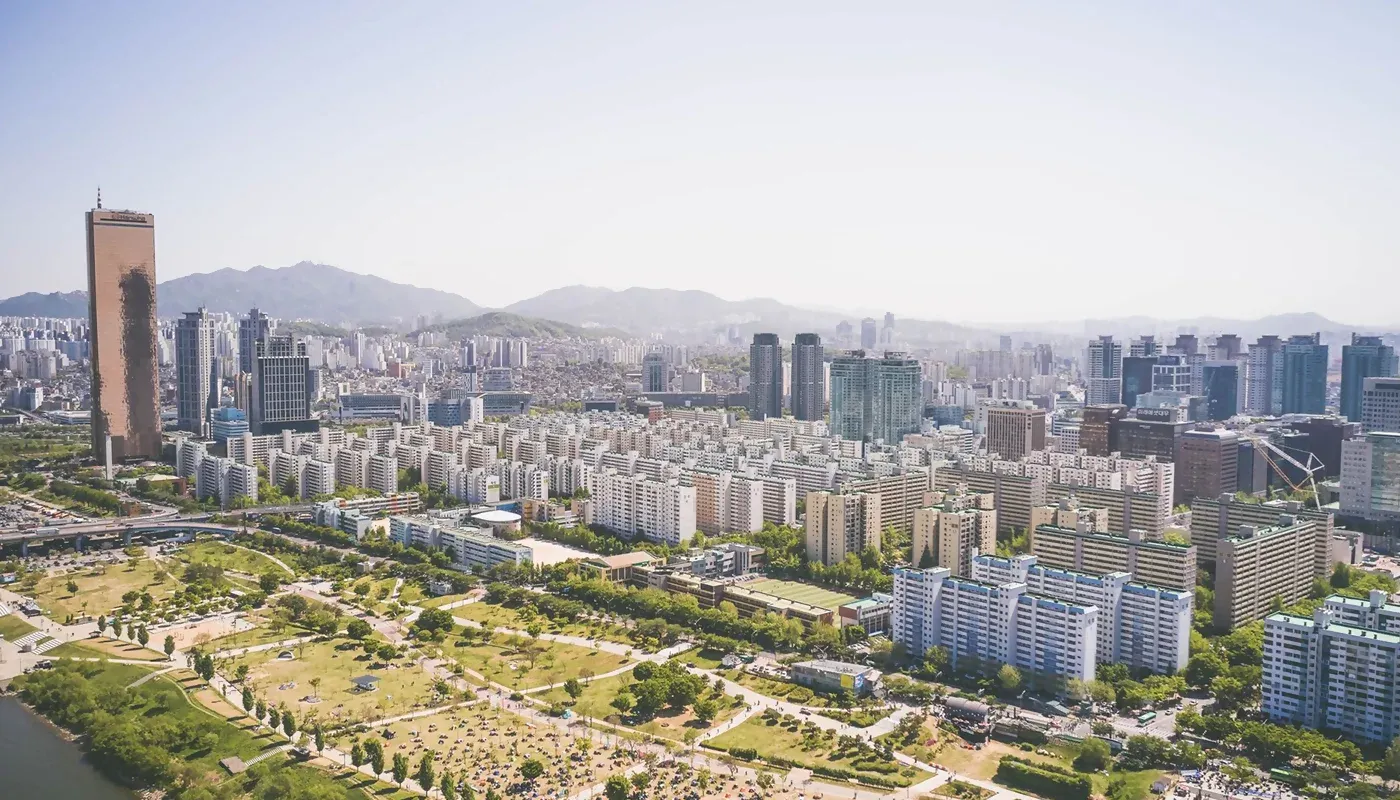
5. Seoul, South Korea: Best for Contemporary Culture and Nightlife
Seoul combines royal palaces, traditional markets, design districts, mountain trails, shopping, cafés, nightlife, and contemporary Korean entertainment.
A balanced itinerary might include Gyeongbokgung or Changdeokgung Palace, a traditional neighborhood, a market meal, the Han River, and modern districts such as Hongdae or Gangnam. Seoul’s official tourism guide emphasizes both its historic palaces and modern cultural experiences.
Best for: K-pop and Korean culture fans, shoppers, café enthusiasts, design travelers, and night owls.
Think twice if: You prefer a compact, walkable historical center. Seoul is extensive, so grouping attractions by district is essential.
6. Taipei, Taiwan: Best for Night Markets and a Manageable Pace
Taipei is an appealing alternative for travelers who want a major East Asian city that can feel less overwhelming than Tokyo or Seoul.
Night markets are a central attraction, but Taipei also offers temples, museums, shopping streets, hot-spring areas, mountain views, and convenient day-trip possibilities. The Taipei City Government’s tourism portal lists numerous night markets and shopping districts across the city.
Best for: Food-focused travelers, solo visitors, repeat visitors to East Asia, and travelers who enjoy flexible day trips.
Think twice if: Your itinerary depends heavily on clear weather. Build at least one indoor museum, shopping, or food-focused alternative into each day.
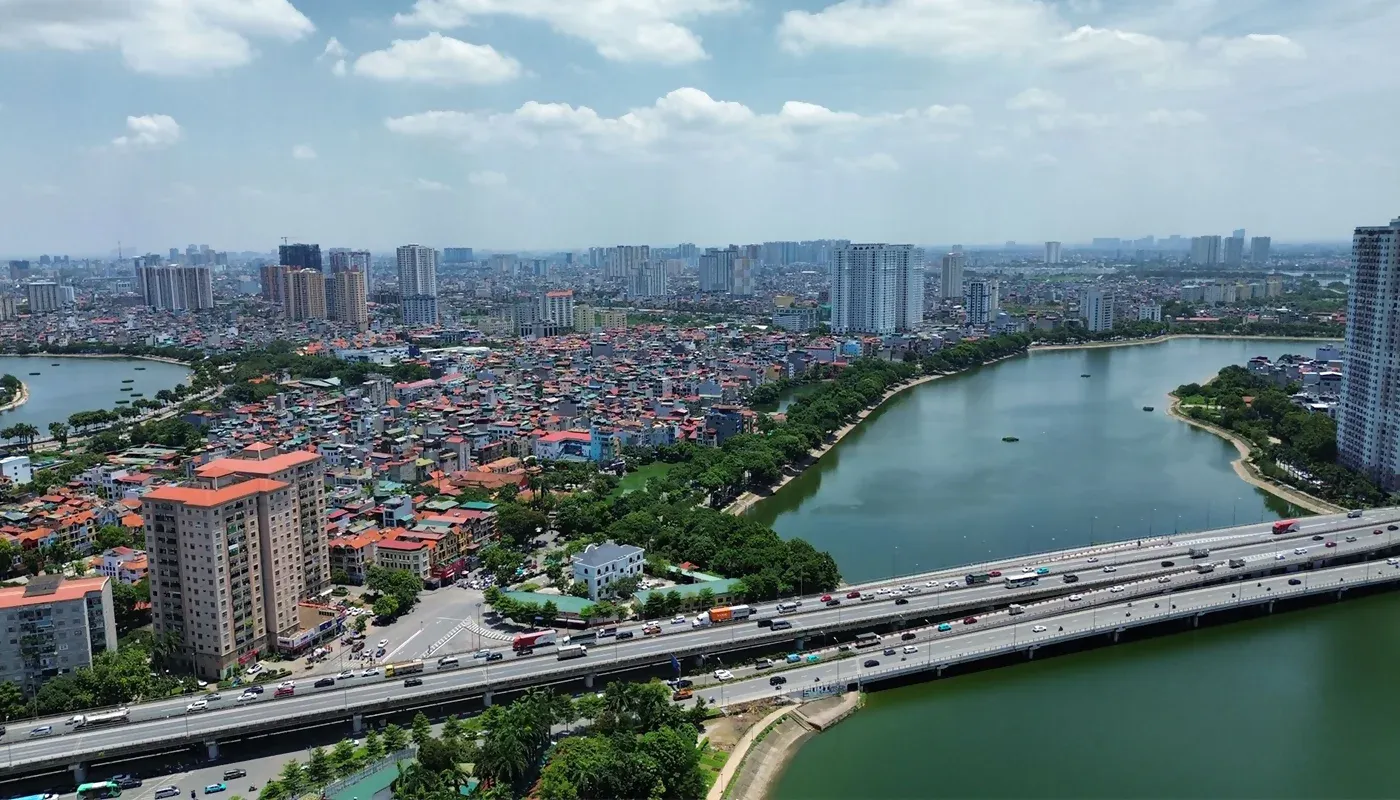
7. Hanoi, Vietnam: Best for Street Life and Historical Atmosphere
Hanoi is one of the best cities in Asia for travelers who enjoy exploring on foot, observing daily life, trying regional dishes, and discovering layers of architectural and political history.
The Old Quarter is the obvious starting point, but the city also has lakeside walks, museums, temples, art spaces, cafés, and convenient access to northern Vietnam. Vietnam’s official tourism website describes Hanoi as both historically rooted and rapidly changing, with abundant northern street food, museums, and galleries.
Best for: Street photography, local food, history, café culture, and budget-conscious travel.
Think twice if: Noise, scooters, crowded pavements, or unstructured street environments reduce your enjoyment.
8. Hong Kong: Best for Food, Skyline Views, and Urban Hiking
Hong Kong is more than a dense financial city. It combines waterfront skylines, distinctive neighborhood food, markets, museums, islands, beaches, and hiking routes.
This range allows travelers to spend one day exploring compact urban districts and the next walking a coastal or mountain trail. The Hong Kong Tourism Board promotes the destination as both a food and shopping center and a base for islands and outdoor activities.
Best for: Short but active trips, food travelers, photographers, and visitors who want city and nature in the same itinerary.
Think twice if: You are traveling on a tight accommodation budget or during a period of severe heat and humidity. The official tourism board notes that typhoons are most common between May and November, so disruption plans are sensible.
9. Chiang Mai, Thailand: Best for Slow Travel and Northern Culture
Chiang Mai offers a gentler pace than Bangkok, with temples, food markets, cafés, craft traditions, cooking activities, and access to mountain landscapes.
The Tourism Authority of Thailand highlights Doi Suthep, the surrounding mountains, and excursions toward Doi Inthanon among the region’s major attractions.
Best for: Longer stays, cultural activities, food classes, remote workers, and travelers combining a city stay with nature.
Think twice if: You have respiratory sensitivities or plan to visit during the regional haze period. Air quality can deteriorate during parts of late winter and spring, although timing and severity vary each year. Check official live air-quality data immediately before booking and again before outdoor activities.
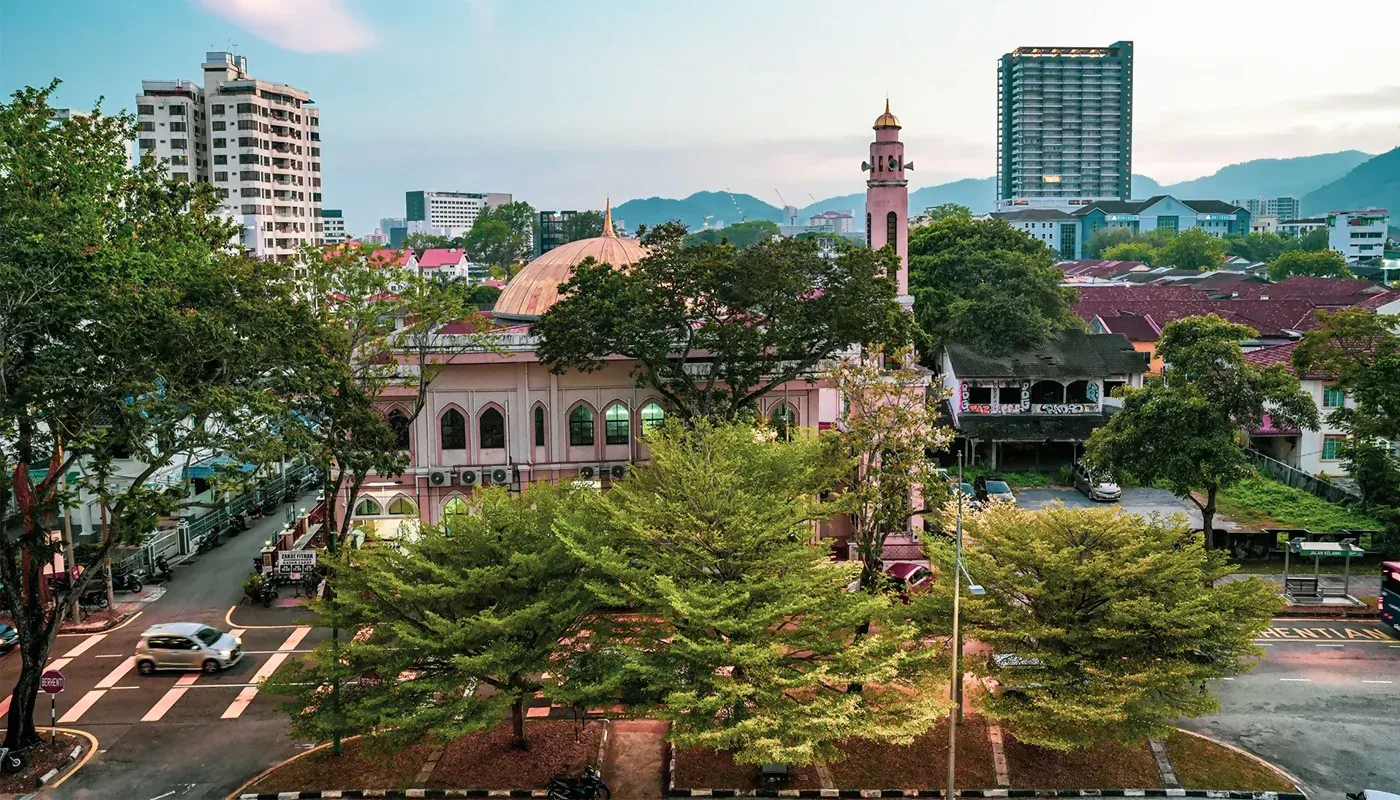
10. George Town, Malaysia: Best for Heritage Streets and Food
George Town on Penang Island is a rewarding choice for travelers who prefer a smaller city with a strong cultural identity.
Its historic center reflects Malay, Chinese, Indian, European, and other trading influences. UNESCO describes George Town and Melaka as historic port cities shaped by centuries of exchange between East and West, with a multicultural living heritage that remains visible in their urban fabric.
Best for: Architecture, food, street exploration, cultural history, and shorter Southeast Asian trips.
Think twice if: You want extensive nightlife, large-scale museums, or the constant variety of a megacity. George Town works best for travelers who appreciate detail rather than scale.
11. Jaipur, India: Best for Architecture and Decorative Arts
Jaipur stands out for its planned historic center, palaces, forts, markets, textiles, jewelry, decorative arts, and distinctive urban architecture.
The walled city was founded in 1727 and is recognized by UNESCO for its town planning, architectural traditions, and cultural significance.
Best for: Architectural photography, history, crafts, shopping, and a broader Rajasthan itinerary.
Think twice if: You are uncomfortable with heat, traffic, bargaining, or frequent car journeys. Using a reputable local guide or driver may reduce logistical friction, but credentials, prices, and inclusions should be verified before payment.
12. Almaty, Kazakhstan: Best Emerging City for Mountains and Culture
Almaty is a strong option for travelers who want a city break that can be combined with mountain scenery and longer nature excursions.
The city offers parks, museums, markets, cafés, Soviet-era architecture, and access to the landscapes of southeastern Kazakhstan. Kazakhstan’s tourism resources emphasize Almaty’s mountain setting, while recent travel coverage has highlighted its developing design, craft, and culinary scenes.
Best for: Repeat visitors to Asia, hikers, landscape travelers, architecture enthusiasts, and people seeking a less conventional destination.
Think twice if: You expect every major natural attraction to be a simple half-day excursion. Some mountain, lake, and canyon trips involve long drives, seasonal conditions, or specialist transportation.
Which Asian City Is Right for Your Trip?
Choose Tokyo or Singapore for a First Visit
Tokyo provides greater variety and depth. Singapore is more compact and easier to navigate during a short trip.
Choose Bangkok, Taipei, Hanoi, or George Town for Food
Bangkok offers the broadest range of dining styles. Taipei excels at night markets, Hanoi at street-level food culture, and George Town at concentrated multicultural cuisine.
Choose Kyoto or Jaipur for History and Architecture
Kyoto is better suited to temples, gardens, and Japanese traditions. Jaipur offers monumental architecture, markets, forts, and decorative arts.
Choose Hong Kong, Chiang Mai, or Almaty for City and Nature
Hong Kong offers hiking within a dense urban region. Chiang Mai provides access to northern Thailand’s mountains, while Almaty is the strongest option for dramatic alpine scenery.
Choose Seoul or Tokyo for Pop Culture and Nightlife
Seoul is particularly suitable for Korean entertainment, fashion, beauty, and café culture. Tokyo offers a wider range of neighborhood nightlife and specialist subcultures.
When Is the Best Time to Visit Asian Cities?
There is no single best season for all of Asia. Climate varies significantly between Japan, tropical Southeast Asia, northern Vietnam, India, coastal East Asia, and Central Asia.
Spring and autumn are popular for Tokyo and Kyoto because conditions are often milder, but they can also bring larger crowds and higher accommodation demand. Official Tokyo and Kyoto tourism resources recommend checking conditions for the specific month rather than relying on a general seasonal rule.
For tropical cities, compare rainfall, humidity, local festivals, and peak travel periods. For Hong Kong and Taipei, monitor tropical storm information. For Chiang Mai, review air quality as well as temperature. For Jaipur and Hanoi, seasonal heat or humidity may affect how much sightseeing is comfortable in one day.
Practical Next Steps
Start by selecting the experience you care about most: food, history, nightlife, nature, convenience, or budget. Then compare no more than three cities.
Before booking:
- Check visa and passport requirements for your nationality.
- Compare total trip cost, including airfare and accommodation.
- Review weather, air quality, and storm forecasts.
- Build each day around nearby neighborhoods.
- Confirm attraction closures, reservation rules, and dress codes.
- Leave unscheduled time for meals, rest, and unexpected delays.
For a two-week trip, two or three cities are usually more manageable than attempting a new destination every two days—especially when flights, border procedures, and hotel transfers are included.
Risks and Limitations
“Best” is subjective, and destination suitability can change because of weather, political events, public-health conditions, transportation disruptions, crowding, exchange rates, or individual mobility needs.
This article does not compare real-time flight prices, hotel availability, crime rates, visa eligibility, or accessibility at individual attractions. Travelers should verify those details through official sources and evaluate them according to their own circumstances.
FAQ
What is the best city to visit in Asia for the first time?
Tokyo is the strongest all-round choice because it offers food, history, modern culture, shopping, museums, and varied neighborhoods. Singapore may be more suitable for travelers who want a compact and easier short trip.
What are the best cities in Asia for budget travelers?
Hanoi, Chiang Mai, Bangkok, and George Town often offer greater flexibility for inexpensive meals and accommodation than Tokyo, Singapore, or Hong Kong. However, airfare and travel season can reverse the total cost difference.
How many days do you need for an Asian city break?
Two or three days may be sufficient for Singapore or George Town, while Tokyo, Seoul, Bangkok, and Taipei generally reward four or more days. The right duration also depends on whether you plan to take day trips.
Is Tokyo or Bangkok better for a first trip to Asia?
Choose Tokyo for efficient transportation, varied neighborhoods, museums, shopping, and a structured urban experience. Choose Bangkok for tropical energy, temples, street food, nightlife, and greater budget flexibility.
Which Asian cities combine urban attractions with nature?
Hong Kong, Chiang Mai, Taipei, and Almaty are strong options. Each offers access to trails, mountains, coastlines, hot springs, or regional landscapes, although transportation requirements differ.
Are Asian cities suitable for solo travel?
Many are popular with solo travelers, but suitability depends on the neighborhood, time of day, transportation, current events, local laws, and the traveler’s experience. Check official travel advisories and avoid assuming that safety conditions are identical across an entire country or city.
Conclusion
The best cities to visit in Asia are not interchangeable. Tokyo is the most versatile choice, Kyoto excels at traditional culture, Bangkok delivers food and urban energy, Singapore simplifies short trips, and Seoul is ideal for contemporary Korean culture.
Travelers seeking alternatives can consider Taipei for a manageable pace, Hanoi for street life, George Town for heritage and food, Jaipur for architecture, Hong Kong for urban hiking, Chiang Mai for slow travel, or Almaty for mountains and Central Asian culture.
Choose the city whose strengths match your priorities—and whose limitations you are prepared to manage.
Resources:
Share

Peyman Khosravani
Industry Expert & Contributor
Peyman Khosravani is a global blockchain and digital transformation expert with a passion for marketing, futuristic ideas, analytics insights, startup businesses, and effective communications. He has extensive experience in blockchain and DeFi projects and is committed to using technology to bring justice and fairness to society and promote freedom. Peyman has worked with international organisations to improve digital transformation strategies and data-gathering strategies that help identify customer touchpoints and sources of data that tell the story of what is happening. With his expertise in blockchain, digital transformation, marketing, analytics insights, startup businesses, and effective communications, Peyman is dedicated to helping businesses succeed in the digital age. He believes that technology can be used as a tool for positive change in the world.


