
citiesabc, Cities
Best Cities to Visit in Spain: Top 11 Beautiful Cities
14 Jul 2026

The best cities to visit in Spain for most travelers are Barcelona, Madrid, Seville, Granada, Valencia, San Sebastián, Bilbao, Córdoba, Toledo, Santiago de Compostela, and Málaga. Choose Barcelona for architecture and Mediterranean energy, Madrid for museums and nightlife, Seville and Granada for Andalusian history, Valencia and Málaga for city-plus-beach trips, and San Sebastián or Bilbao for food, coastal scenery, and northern Spain culture.
Spain’s official tourism site highlights major city destinations including Madrid, Barcelona, Valencia, Seville, Málaga, Bilbao, and Santiago de Compostela, while its high-speed train guidance shows that many top cities can be combined efficiently by rail.
Key Takeaways
Spain is not a one-city destination. First-timers often do well with Madrid + Barcelona + one Andalusian city, while slower travelers may prefer one region, such as Andalusia, Catalonia, the Basque Country, or Galicia.
Use trains when possible. Spain’s official tourism site notes high-speed connections such as Madrid–Barcelona in about two and a half hours and Madrid–Valencia in about 100–110 minutes, although schedules and journey times should be checked before booking.
Avoid choosing only by popularity. Barcelona and Madrid are essential for many travelers, but Granada, Córdoba, Toledo, San Sebastián, Bilbao, Santiago de Compostela, Valencia, and Málaga can feel more memorable depending on your interests.
Best Cities to Visit in Spain Compared
| City | Best For | Ideal Stay | Who It Suits Best | Possible Drawback |
|---|---|---|---|---|
| Barcelona | Architecture, beaches, food, neighborhoods | 3–4 days | First-timers, couples, design lovers | Can feel crowded in peak season |
| Madrid | Museums, nightlife, day trips, food | 3–4 days | Art lovers, urban travelers, first-timers | No beach |
| Seville | Andalusian culture, monuments, tapas | 2–3 days | Romance, history, slow evenings | Summer heat can be intense |
| Granada | Alhambra, Moorish history, views | 2 days | Culture travelers, photographers | Alhambra tickets require planning |
| Valencia | Beaches, paella, modern architecture | 2–3 days | Families, food lovers, relaxed trips | Less “classic Spain” than Andalusia |
| San Sebastián | Food, beaches, scenery | 2–3 days | Food-focused travelers, couples | Often pricier than some Spanish cities |
| Bilbao | Guggenheim, design, pintxos | 2 days | Art and architecture fans | Weather can be wetter than southern Spain |
| Córdoba | Mosque-Cathedral, patios, old town | 1–2 days | History lovers, short-stop travelers | Very hot in summer |
| Toledo | Medieval streets, day trip from Madrid | 1–2 days | History and architecture lovers | Day-trip crowds |
| Santiago de Compostela | Pilgrimage, old town, Galicia food | 2 days | Spiritual, cultural, slow travelers | Less convenient for short Spain routes |
| Málaga | Museums, beaches, Costa del Sol base | 2–3 days | Sun seekers, art lovers, easy trips | Beach areas can be busy |
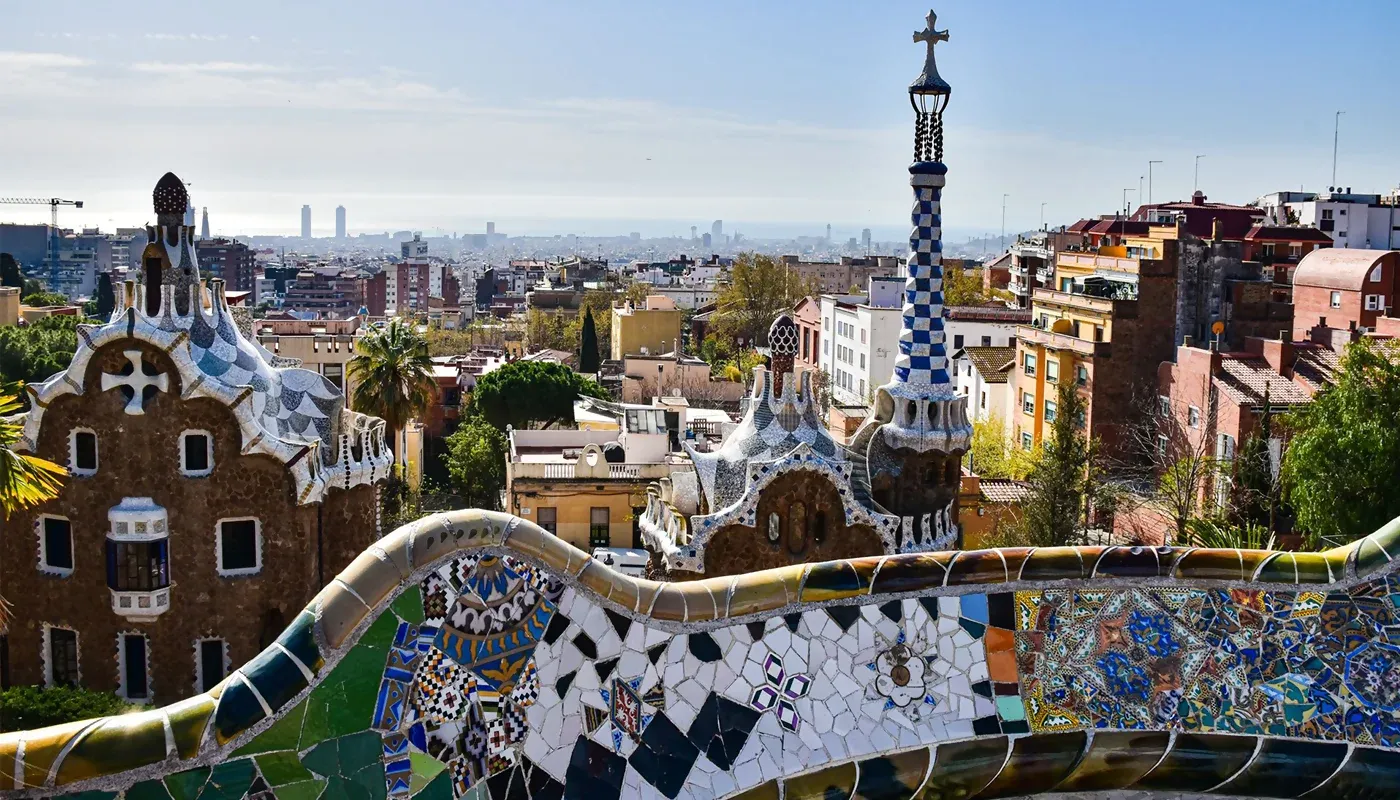
1. Barcelona: Best for Architecture, Neighborhoods, and Mediterranean Energy
Barcelona is one of the best cities to visit in Spain if you want a mix of iconic architecture, beaches, markets, nightlife, and creative neighborhoods. Spain’s official tourism site describes it as a Mediterranean city known for Gaudí and Art Nouveau architecture, with a blend of old-town charm, modern neighborhoods, food, fashion, and city beaches.
Start with the major Gaudí sights, then balance them with time in El Born, Gràcia, the Gothic Quarter, and the waterfront. The city works especially well for travelers who like to walk, eat casually, explore architecture, and build flexible days around neighborhoods rather than only museums.
Best fit: first-time visitors, architecture lovers, couples, food-focused travelers.
Poor fit: travelers who dislike crowds or want a quiet, low-key base in peak season.

2. Madrid: Best for Museums, Nightlife, and Easy Day Trips
Madrid is the best Spanish city for travelers who want a true capital-city experience. Spain’s official tourism page highlights Madrid’s major museums, historic areas, restaurants, nightlife, Royal Palace, Plaza Mayor, Gran Vía, and green spaces such as Retiro Park.
Madrid is also one of the easiest cities for building a Spain itinerary because it sits at the center of many rail routes. Toledo, Segovia, Córdoba, Seville, Valencia, and Barcelona can all be considered depending on your schedule and train availability.
Best fit: museum lovers, nightlife seekers, first-time Spain travelers, food lovers.
Poor fit: travelers whose top priority is beach time.
3. Seville: Best for Andalusian Atmosphere
Seville often delivers the emotional version of Spain many travelers imagine: warm evenings, historic streets, tapas, flamenco culture, orange-tree courtyards, and monumental architecture. Spain’s official tourism page highlights the Giralda, Cathedral, Real Alcázar, Plaza de España, María Luisa Park, Triana, and tapas neighborhoods.
Seville deserves at least two nights because its appeal is not only in sightseeing. It is a city to experience slowly, especially in the evening when plazas, tapas bars, and riverside areas become more atmospheric.
Best fit: couples, history lovers, food travelers, first-time Andalusia visitors.
Poor fit: travelers visiting in high summer who are sensitive to heat.
Read More:
Top 10 Best Cities to Live In the World
4. Granada: Best for the Alhambra and Moorish Heritage
Granada is one of Spain’s most rewarding smaller cities, mainly because of the Alhambra, Generalife, Albaicín, viewpoints, and layered Islamic and Christian history. Spain’s official tourism site notes that the Albaicín is a World Heritage Site together with the Alhambra and Generalife.
UNESCO describes the Alhambra and Albayzín as forming the medieval part of Granada, with the Generalife gardens connected to the former rulers of the region.
Book Alhambra tickets well ahead when possible, then leave unstructured time for the Albaicín, Sacromonte, tea houses, viewpoints, and tapas streets.
Best fit: history lovers, photographers, couples, slow travelers.
Poor fit: travelers who dislike hills or last-minute attraction planning.
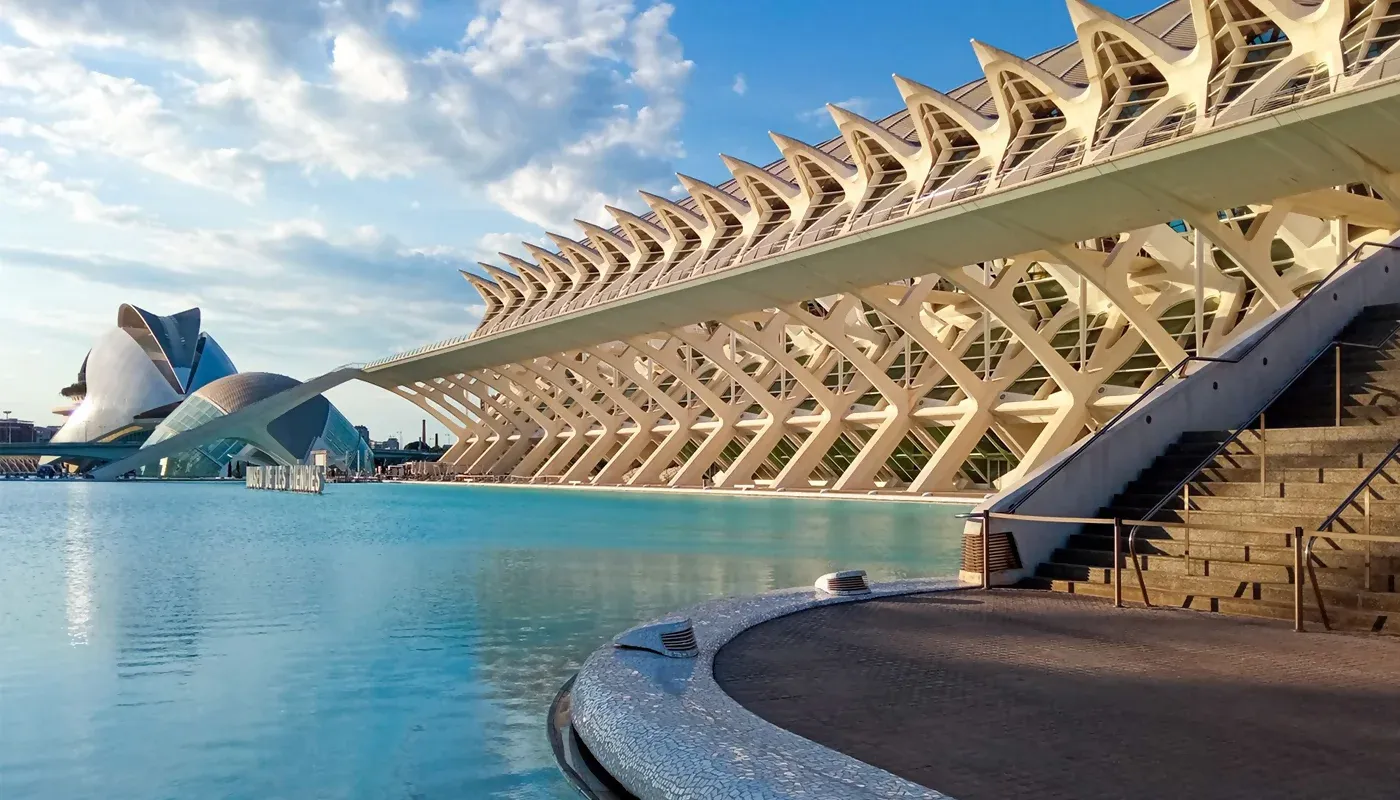
5. Valencia: Best for Beaches, Paella, and Modern Design
Valencia is one of the best cities in Spain for travelers who want beach access without giving up culture, food, and architecture. Spain’s official tourism page describes Valencia as a city of contrasts, with a charming old town beside futuristic buildings, Mediterranean beaches, paella, the City of Arts and Sciences, the Cathedral, Central Market, and the Silk Exchange.
Valencia often feels easier and more relaxed than Barcelona while still offering enough for several days. It is a strong choice for families, food lovers, and travelers who want sunshine, cycling, markets, and a less overwhelming pace.
Best fit: families, beach-city travelers, food lovers, cyclists.
Poor fit: travelers who want Spain’s most dramatic historic monuments in one place.
6. San Sebastián: Best for Food and Coastal Scenery
San Sebastián, officially Donostia-San Sebastián, is ideal for travelers who care about food, sea views, and elegant coastal walks. Spain’s official tourism site describes the city as spread along a white-sand bay between the Urgull and Igeldo mountains, with La Concha, Ondarreta Beach, the San Telmo Museum, Peine del Viento, and internationally renowned Basque gastronomy.
It is not the cheapest or most obvious first stop in Spain, but it can be one of the most memorable if your trip is built around food, pintxos, coastal scenery, and northern culture.
Best fit: food lovers, couples, coastal walkers, northern Spain itineraries.
Poor fit: budget travelers trying to minimize accommodation and dining costs.
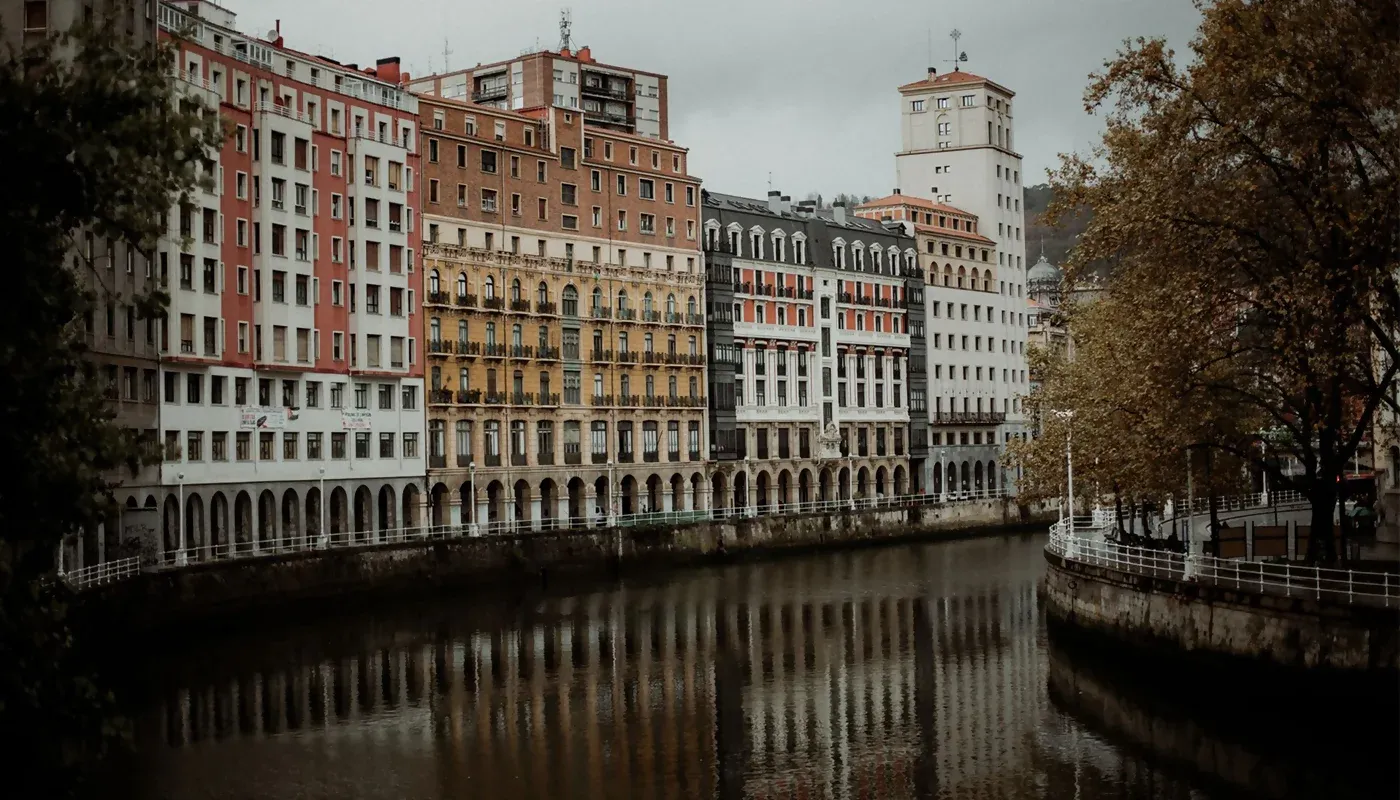
7. Bilbao: Best for Modern Art, Architecture, and Pintxos
Bilbao is a great Spain city break for travelers who want something more contemporary. Spain’s official tourism site connects Bilbao’s modern identity to the Guggenheim Museum, while also noting its old town, pintxos bars, modern architecture, and cultural spaces.
The city works especially well when paired with San Sebastián or other Basque Country stops. Spend time around the Guggenheim, Casco Viejo, riverfront, markets, and local pintxos routes.
Best fit: architecture lovers, art travelers, food travelers, repeat visitors to Spain.
Poor fit: travelers looking mainly for warm Mediterranean beach weather.
8. Córdoba: Best for a Compact Historic City
Córdoba is one of the best cities to visit in Spain if you want a rich historic experience without the scale of Madrid or Barcelona. Spain’s official tourism page highlights the Great Mosque, World Heritage old town, flower-filled courtyards, Roman bridge, Jewish quarter, Alcázar, Synagogue, and nearby Medina Azahara, which has also been a World Heritage Site since 2018.
Córdoba can be visited as a day trip, but staying overnight helps you experience the old town before and after the busiest visitor hours.
Best fit: history lovers, Andalusia routes, short-stay travelers.
Poor fit: travelers visiting in summer who struggle with high temperatures.
9. Toledo: Best Day Trip or Overnight from Madrid
Toledo is one of Spain’s most atmospheric historic cities and a strong choice for travelers based in Madrid. Spain’s official tourism site describes Toledo as the “city of the three cultures,” shaped by Christian, Muslim, and Jewish heritage, with a Gothic cathedral, 10th-century mosque, synagogues, winding streets, bridges, and a World Heritage old town.
Many travelers visit Toledo in one day, but staying overnight can make the city feel calmer and more cinematic after day-trippers leave.
Best fit: Madrid-based travelers, medieval city lovers, photographers.
Poor fit: travelers with mobility concerns who prefer flatter, easier streets.
10. Santiago de Compostela: Best for Pilgrimage, Old Town, and Galicia
Santiago de Compostela is a different kind of Spain city break: quieter, spiritual, stone-built, rainy at times, and deeply connected to pilgrimage culture. Spain’s official tourism site notes that it has long been the destination of pilgrims walking the St James Way and highlights its Cathedral, UNESCO-listed historic center, Galician seafood, restaurants, bars, and contemporary art offerings.
It is especially rewarding for travelers exploring Galicia or anyone interested in the Camino de Santiago, religious history, old-town atmosphere, and regional food.
Best fit: cultural travelers, pilgrims, slow travelers, Galicia itineraries.
Poor fit: travelers trying to fit only Madrid, Barcelona, and Andalusia into a short trip.
11. Málaga: Best for Museums, Beaches, and an Easy Southern Base
Málaga has become much more than a gateway to the Costa del Sol. Spain’s official tourism page highlights its 16 beaches, Picasso connection, museums, Alcazaba, Gibralfaro Castle, Roman theatre, old town, Atarazanas Market, port area, and Soho neighborhood.
Choose Málaga if you want a warm, easy, city-plus-sea base with good access to other parts of Andalusia. It can work well for travelers who want culture in the morning and beach or waterfront time later in the day.
Best fit: sun seekers, art lovers, relaxed travelers, Costa del Sol routes.
Poor fit: travelers who want a quieter historic town with fewer resort-style surroundings.
Best Spain City Routes for Different Trip Lengths
5 Days in Spain
For a short first trip, choose either Madrid + Toledo or Barcelona + Valencia. Trying to combine Madrid, Barcelona, and Andalusia in five days often creates too much transit.
7 Days in Spain
A strong first-time route is Madrid + Seville + Granada or Barcelona + Madrid + Toledo. The first option leans historic and Andalusian; the second gives you two major cities plus a medieval day trip.
10 Days in Spain
For a balanced route, consider Barcelona → Madrid → Seville → Granada. This gives you architecture, museums, Andalusian culture, and the Alhambra without trying to see every famous city.
14 Days in Spain
Two weeks allows a more complete route such as Barcelona → Valencia → Madrid → Córdoba → Seville → Granada → Málaga. For a northern alternative, consider Madrid → Bilbao → San Sebastián → Santiago de Compostela, depending on rail and flight connections.
How to Choose the Best Spanish City for Your Travel Style
Choose Barcelona if you want the strongest mix of architecture, neighborhoods, beaches, and dining. Choose Madrid if museums, nightlife, and easy day trips matter most. Choose Seville, Granada, or Córdoba if your dream Spain trip is about Andalusian history and atmosphere.
Choose Valencia or Málaga if you want a city with beach access. Choose San Sebastián or Bilbao if food and northern culture are priorities. Choose Toledo or Santiago de Compostela if you prefer historic streets, slower exploration, and a strong sense of place.
Practical Next Steps
Start with your travel season. Southern cities such as Seville, Córdoba, Granada, and Toledo can become very hot in summer, so spring and fall are often more comfortable for sightseeing. Northern cities such as Bilbao, San Sebastián, and Santiago de Compostela may be cooler and wetter, but they can be excellent for food and culture-focused trips.
Build your route around geography. Barcelona and Valencia pair naturally. Madrid pairs well with Toledo and Córdoba. Seville, Granada, Córdoba, and Málaga form a strong Andalusia route. Bilbao and San Sebastián work well together in the Basque Country.
Book major attractions early, especially the Alhambra in Granada and popular Barcelona sights. Then verify local transport, attraction hours, museum closing days, and restaurant reservation norms before finalizing your itinerary.
Risks and Limitations
Overtourism can affect the experience in parts of Barcelona, Seville, Granada, and other high-demand areas, especially during holidays and peak seasons. Consider staying longer, visiting early or late in the day, and spending money with local businesses outside the most crowded zones.
Weather can change your ranking. A city that feels perfect in April may feel exhausting in August, especially in inland Andalusia and central Spain. Always check seasonal averages and current forecasts.
Transport convenience varies. Spain has strong high-speed rail links between many major cities, but not every route is equally direct. Confirm schedules with operators before deciding that two cities are “easy” to combine.
FAQs
What is the best city to visit in Spain for the first time?
For most first-time travelers, Barcelona or Madrid is the best starting point. Barcelona is stronger for architecture and Mediterranean neighborhoods, while Madrid is better for museums, nightlife, and day trips.
Is Madrid or Barcelona better to visit?
Barcelona is usually better for travelers who want beaches, Gaudí architecture, and a Mediterranean feel. Madrid is better for major art museums, nightlife, traditional Spanish capital energy, and easy rail connections.
What is the most beautiful city in Spain?
Beauty depends on your taste. Granada is often one of the most visually dramatic because of the Alhambra and Albaicín views, while Seville, Toledo, Barcelona, and San Sebastián are also strong contenders for architecture, atmosphere, and scenery.
How many cities should I visit in Spain in one week?
In one week, two or three cities is usually enough. A rushed itinerary with four or five cities may leave too little time for meals, neighborhoods, museums, and slow exploration.
Which Spanish cities are best for food?
San Sebastián, Bilbao, Madrid, Barcelona, Valencia, Seville, and Santiago de Compostela are all strong food cities. Choose San Sebastián and Bilbao for pintxos, Valencia for paella, Galicia for seafood, and Andalusia for tapas culture.
What are the best cities in Spain with beaches?
Barcelona, Valencia, Málaga, and San Sebastián are among the best city-and-beach choices. Málaga and Valencia often feel easier for relaxed beach-city trips, while Barcelona offers the biggest urban experience.
Can I visit Madrid, Barcelona, and Seville in one trip?
Yes, especially with 8–10 days or more. Spain’s high-speed train network can make major-city combinations realistic, but exact schedules, prices, and journey times should be verified before booking.
Conclusion
The best cities to visit in Spain are not simply the biggest or most famous. Barcelona and Madrid are excellent first stops, but Spain becomes more rewarding when you match cities to your travel style. Choose Seville, Granada, Córdoba, or Toledo for history; Valencia, Málaga, or San Sebastián for coast and food; Bilbao for contemporary culture; and Santiago de Compostela for pilgrimage atmosphere and Galician identity.
A better Spain itinerary is not the one with the most cities. It is the one that gives each place enough time to feel distinct.
Share

Peyman Khosravani
Industry Expert & Contributor
Peyman Khosravani is a global blockchain and digital transformation expert with a passion for marketing, futuristic ideas, analytics insights, startup businesses, and effective communications. He has extensive experience in blockchain and DeFi projects and is committed to using technology to bring justice and fairness to society and promote freedom. Peyman has worked with international organisations to improve digital transformation strategies and data-gathering strategies that help identify customer touchpoints and sources of data that tell the story of what is happening. With his expertise in blockchain, digital transformation, marketing, analytics insights, startup businesses, and effective communications, Peyman is dedicated to helping businesses succeed in the digital age. He believes that technology can be used as a tool for positive change in the world.


